


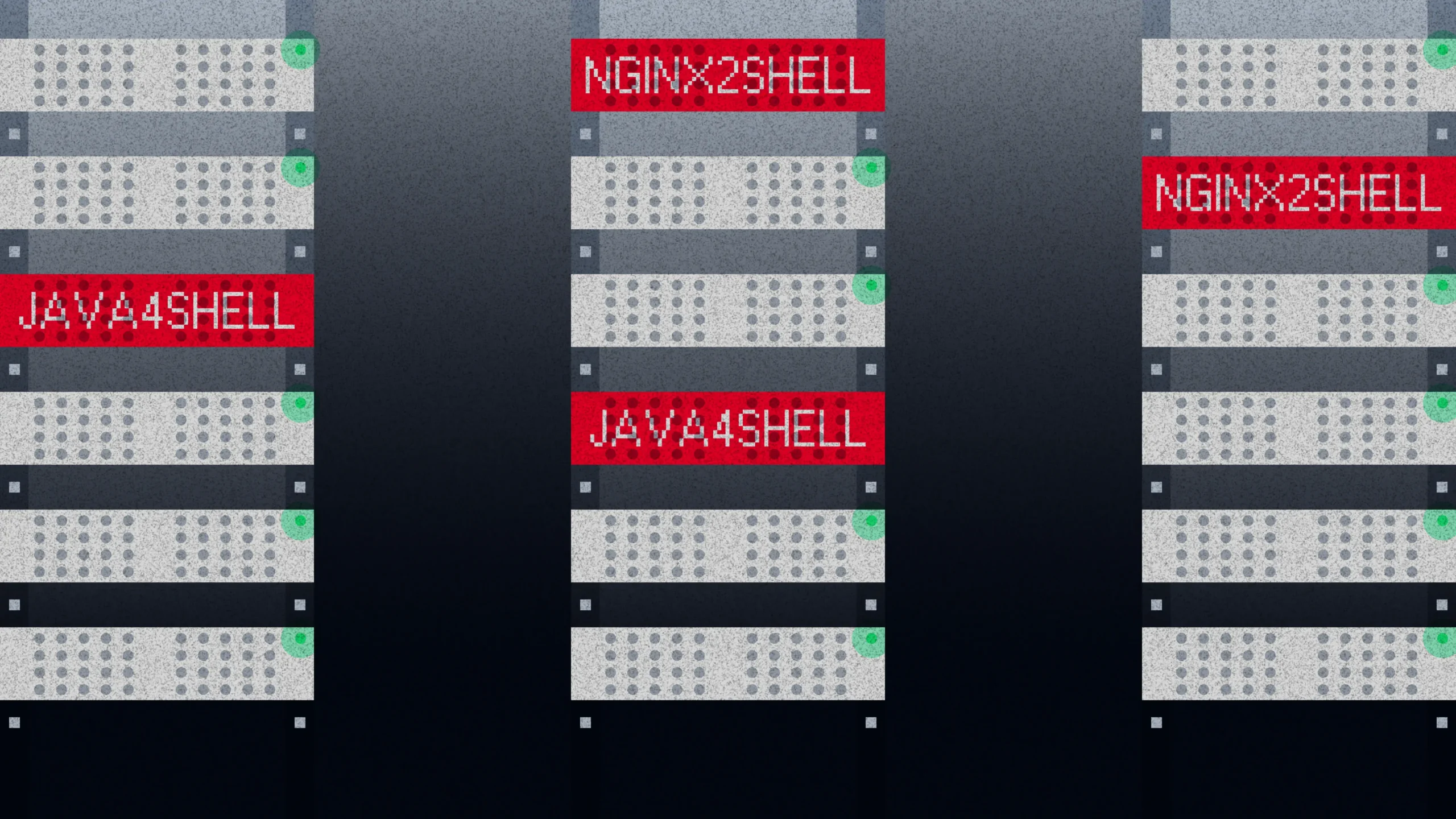
It arrived four weeks after PHP2Shell and one day before NGINX2Shell. On 18 November, F5 released fixes for two flaws in NGINX’s HTTP/2 code, CVE-2026-123633 and CVE-2026-123007, both rated 9.2 (CVSS 4.0) and both allowing unauthenticated code execution when HTTP/2 is enabled. According to Wiz, the second one has been in NGINX since version 1.9.5, in 2015. Three critical CVEs in four weeks is a pace we have to plan for.
Who is Exposed
Java4Shell affects Java 17 (from 17.0.6), 21, 25 and 27, in any distribution, when running on x86-64 CPUs with AVX-512 VBMI: Intel Xeon Ice Lake and later, AMD Zen 4 and later. ARM64 is not affected. Calif demonstrated pre-authentication RCE against Keycloak, Jira, Confluence, Artifactory, Jenkins and PingFederate, so identity providers and CI/CD are the first place to look. The fixed releases are 17.0.21.1, 21.0.13.1, 25.0.5.1, 27.0.1.1 and, for the Oracle Java 8 Performance Pack, 8u513-perf. For other distributions, check your vendor’s advisory.
NGINX2Shell affects any NGINX with HTTP/2 enabled. CVE-2026-123007 goes back to NGINX 1.9.5 and, according to Wiz, can hit a server that only serves content over HTTPS. CVE-2026-123633 affects NGINX from 1.19.7 when it works as a reverse proxy and runs low on connection slots. NGINX Open Source 1.30.7 (stable) and 1.31.9 (mainline) fix both; for NGINX Plus, check F5’s advisory. If you can’t upgrade yet, turn HTTP/2 off on the affected instances and reload.
How Fast This Went
Calif says it took about one hour to find the Java bug with AI assistance and about two more to build a working exploit. As of 18 November, a proof of concept that triggers the bug is public, product-specific exploits are being held back, and there is no confirmed successful exploitation. That can change within hours, so read it with its date. NGINX2Shell looks similar: Wiz says it found both flaws with its AI code scanning harness and built working exploits in the lab, which it is not releasing, and five research teams reported them independently.
Detection content for Java4Shell shipped across the industry within a day, and that helps. The harder question is knowing when you are no longer exploitable.
What To Do Now
- Inventory your Java services and your NGINX instances, including the runtimes bundled inside products. The operating system package is rarely the whole story.
- Start with whatever faces the internet: identity providers and CI/CD on affected CPUs for Java, anything serving HTTP/2 for NGINX.
- Patch and restart. If you can’t patch Java yet,
-XX:-UseBASE64Intrinsicsdisables the vulnerable code path, and for NGINX there ishttp2 off;. Both buy time and neither replaces the patch. - Check the version that is actually running, and keep that evidence instead of a ticket marked done.
- Hunt. For Java, look for Base64 tokens of 32 or more characters ending in “=” with a length that isn’t a multiple of four, bursts of
IllegalArgumentExceptioninjava.util.Base64$Decoder, and unexplained JVM crashes. For NGINX, look for unexpected worker crashes. These are leads and not proof of compromise.
One Workflow, Two New CVEs
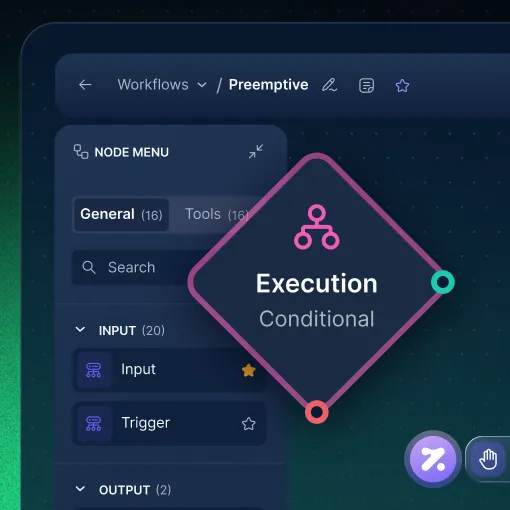
For PHP2Shell we published four workflows on Zynap. For Java4Shell and NGINX2Shell we ran our new workflow, EarlyWarning 2 CVE Remediation/Mitigation. It monitors security feeds and threat intelligence for newly disclosed CVEs and analyzes exploit PoCs from GitHub. When it finds an exploit, our Offensive Agent uses it to validate exposure on the target. In parallel, it generates WAF countermeasures and an Ansible remediation playbook, gated by human approval, plus an executive report. We didn’t start a new project for either one.
It has two limits. From the outside you can’t see which CPU a server runs on, so for Java4Shell an external sweep finds candidates and your team confirms them. And we don’t patch your Keycloak for you: the workflow tells you what to fix first.
What We Think Should Be Measured
A patch tells you the fix exists. It doesn’t tell you when you stopped being exploitable, because exposure starts before you know about it and most metrics only count what comes after. That is why we proposed MTRER, Mean Time to Reduce Exploitable Risk, which is blind time plus action time. It is an open draft spec and we don’t have a number to show yet. We would rather publish the spec than a number we can’t defend.
The next critical CVE will land, and three in four weeks suggests it won’t be long. When it does you either have a response ready or you start building one that week. Having it ready is what we mean by preemptive security, and it is where active defense starts.
Credits
None of this is our research. We read it, checked it and built on it. Java4Shell (CVE-2026-114938) was found and reported by Calif, with research, write-up and exploits by Quang Luong and exploit improvement by Jenish Rakholiya. Calif also thanks samczsun, who shared a client-side exploit with them. NGINX2Shell (CVE-2026-123633 and CVE-2026-123007) was reported to F5 independently by five teams: Wiz Research (write-up by Nir Ohfeld and Tomer Schwartz), Ikotas Labs, Metnir, Rapid7 and Xint. The originals are better than any summary, this one included.
Other sources: Tenable Java4Shell FAQ (17 Nov 2026), Upwind (17 Nov 2026).