


Let me introduce myself. I’m Jordi Miró Bruix, COO at Zynap. I’ve been working in tech for over 25 years, and this is the biggest wave I’ve experienced in my professional life: the agentic wave.
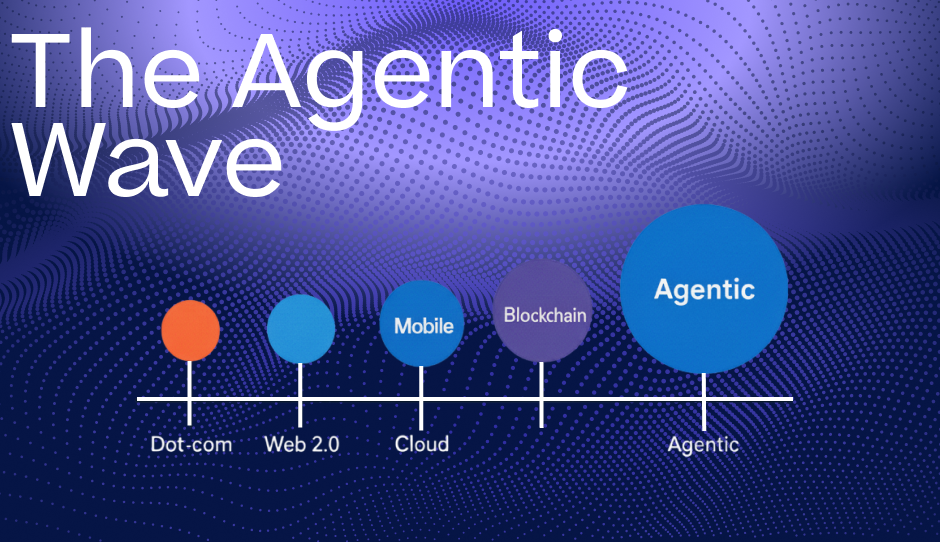
I’ve witnessed many revolutions — the dot-com boom, Web 2.0, mobile, cloud, blockchain — but none have changed how we build software and products as profoundly as AI is doing today.
Discovering the Potential
When I joined Zynap in May, the team was already using tools like Cursor and Claude Code. Yet I felt we weren’t taking full advantage of what AI could offer.
Sometimes we think that what happens in Silicon Valley is too far from us — but it’s not. I had been following the rise of agentic development frameworks, and I wanted our team to experiment.
I’m also lucky to be part of a great tech community in Barcelona, a group of experienced CTOs who openly share what they’re building. Some were already adopting these frameworks, so I asked questions, had lunches, and exchanged ideas.
One weekend, I built my own agentic system — and my mind was blown. What would have taken me months, I could now achieve in days.
Building Zynap’s Agentic Framework
Back at Zynap, three engineers were building their own prototypes. I asked them to join forces and create the foundation of Zynap’s internal agentic development framework. Thanks Haroon Sammaraie Salih, Ricard Gardella Garcia and Toni.
By September, we had our v0 ready. During our team meeting, we demoed it — and I could see the surprise on everyone’s faces, especially the skeptics.
Questions started flying:
“How much did that Jira ticket cost to complete?”
“What can the agents actually do?”
Our v0 already handled:
- Product definition
- Ticket creation in Jira
- Code planning and execution
- Merge request creation in GitLab
- Documentation updates
And this was just the start — anyone could add new commands or agents simply by submitting a PR or ticket.
Evolving the System
Since then, we’ve added:
- Testing Agents – writing unit tests and integrating with our end-to-end testing provider.
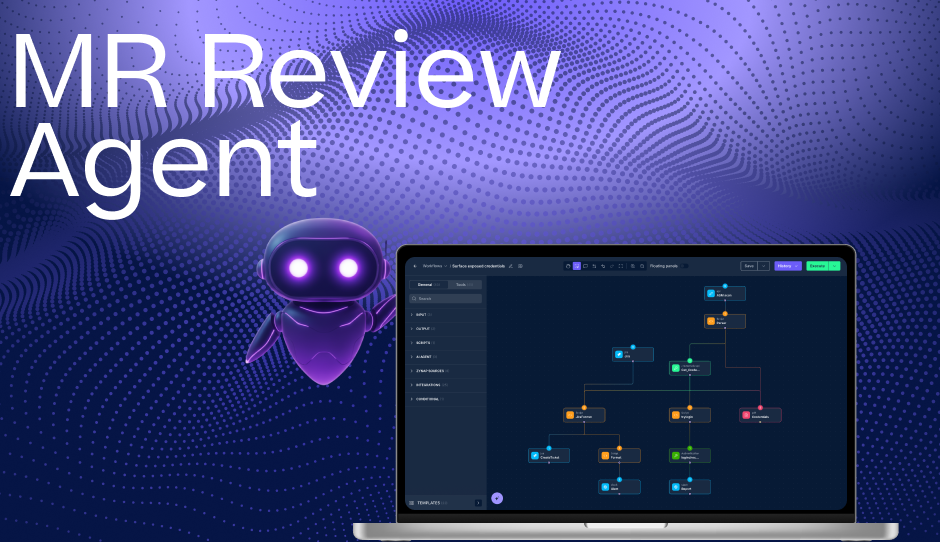
- MR Review Agents – reviewing code generated by other agents (especially helpful in smaller teams).
- Product & Design Agents – which I initially thought would be the hardest. But our Product and Design teams surprised me — they embraced it and built agents of their own. (You can read Elena Flores’ post about this here.)
There are also other things we’re currently evaluating. We continue to use Claude Code as the main model powering most of our agents and commands, but we’re exploring the use of different LLMs for different agents — each specialized for its purpose.
The battle between LLMs is huge, and with every new release there’s a lot to test, validate, and adapt. Our goal is to stay flexible — always choosing the right model for the right job, without locking ourselves into a single stack.
Beyond Engineering
Now, we’re expanding the same thinking to sales, marketing, finance, and people. Each team can build their own agents and integrate them into their workflows. The potential gains — in speed, clarity, and quality — are far beyond what most expect.
Riding the Wave

Yes, we’ll make mistakes. But as I often say, this wave is here to stay.
You can either stay on the beach and watch others surf, or grab your board and learn. You’ll fall, you’ll “drink” some water — but that’s how you learn to ride the next big wave in technology.
At Zynap, we don’t just ride the wave of AI, we’re shaping the current that drives cybersecurity forward..
Keep your eyes open for the next posts where we will dive into more details and numbers.
Zynap Inside AI is an ongoing series where our team shares what we’re actually building and learning. Continue with Chapter 2: How AI Agents Transformed My Product Workflows and Chapter 3: We Built Our Agentic Framework. Here’s What Happened Next.