



Imagine you just onboarded five Junior developers to your data team. They’re fast, technically sharp, and eager to work. They can follow your conventions perfectly once you write them down. They never forget a naming rule. And they can draft a full data model in minutes, not days.
But they’re still Juniors. They’ll confidently build something that looks right but misses a critical business edge case. They won’t tell you when something feels off. They’ll follow bad instructions just as enthusiastically as good ones.
You’d never push their code to production without reviewing it, right?
That’s exactly how we think about the five AI agents we’ve embedded in our data team at Zynap.
And framing it this way – not as magic, not as a threat, but as a new kind of Junior colleague – changed everything about how we adopted AI.
Our Specialized Agents
As my colleague Haroon described in his recent article, specialization is key.
You wouldn’t hire one Junior and ask them to do product management, data engineering, analytics, dashboard design, and documentation. You’d set them up for failure. The same applies to AI agents.
We decided to mirror standard data team structure in our agents. Each one gets the context, conventions, and skills relevant to its role – designed to improve accuracy and reduce hallucination. Just like you’d give a Junior developer a clear scope and specific onboarding for their role, we gave each agent its own instructions, reference materials, and boundaries.
Before any work begins, every agent runs a pre-flight check – are all MCP connections active? Can it reach Jira, BigQuery, the reference repos? If anything fails, it stops and tells us. No guessing, no workarounds. Then it reads our onboarding guide, our reference repositories, and our conventions file. Only then does it start working.
The Data Product Manager Agent
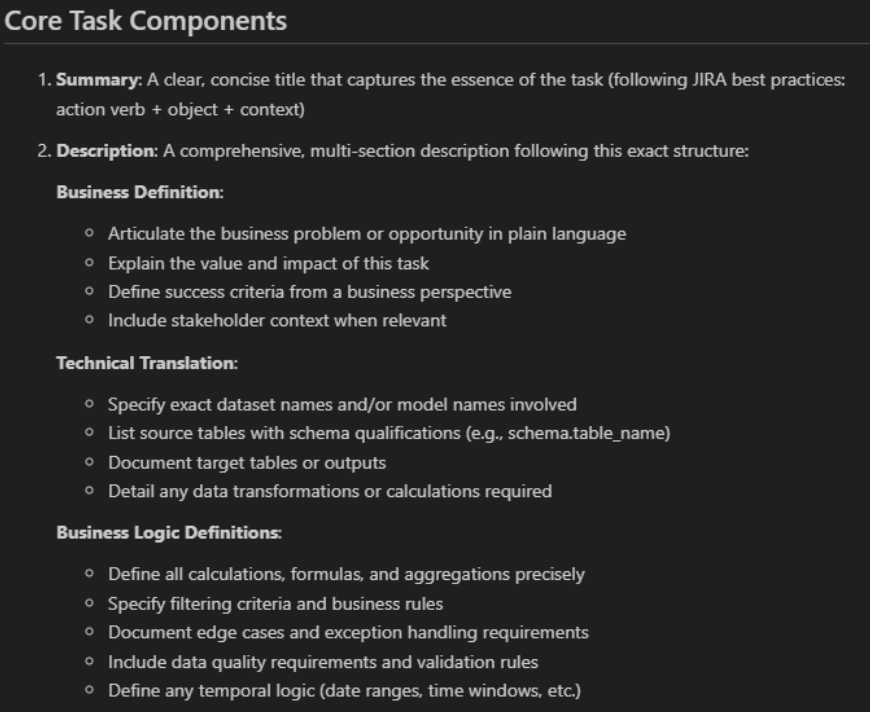
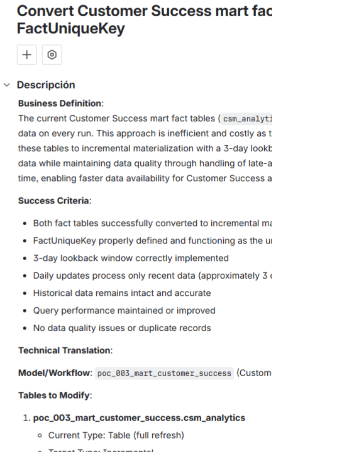
This agent excels at translating business needs into technical tasks while providing clear context about the motivation behind each task, the impact it will have on our business, and the quality criteria needed to ensure we meet the requirements.
The Data Architect Agent
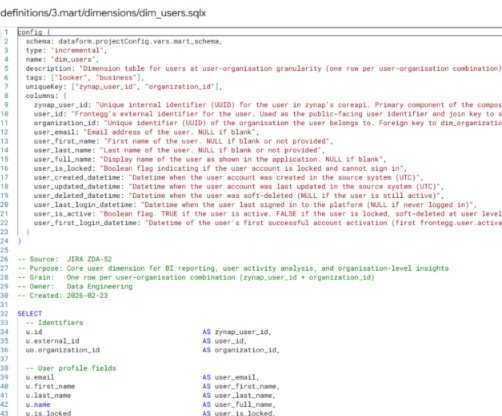
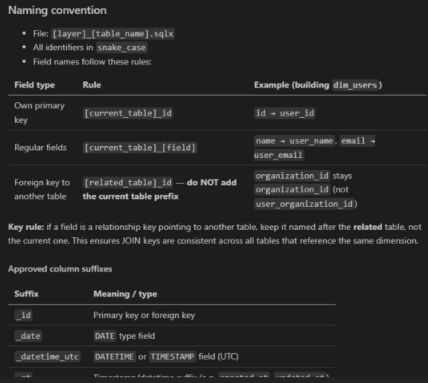
This is our chef. We gave it a strong and precise framework to work within – specifically to avoid hallucination. It holds the knowledge about our data layer segmentation, naming conventions, and column standards, allowing it to turn raw data into well-structured models ready to be activated.
The Semantic Layer Agent
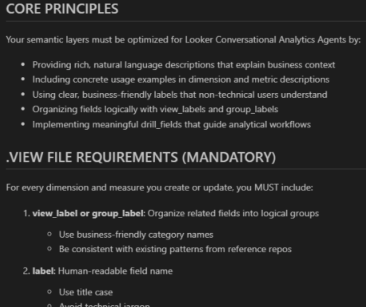
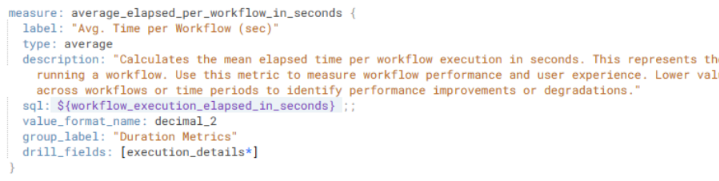
This agent owns the knowledge about business definitions and how they should be calculated. It’s the one building our company’s SSOT (Single Source of Truth) – helping both people and other agents speak the same language and avoid data discrepancies when discussing the same metrics.
The Dashboard Designer Agent
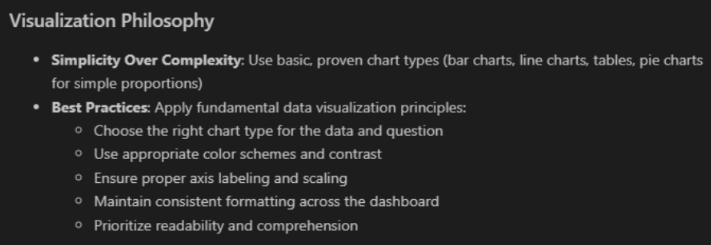
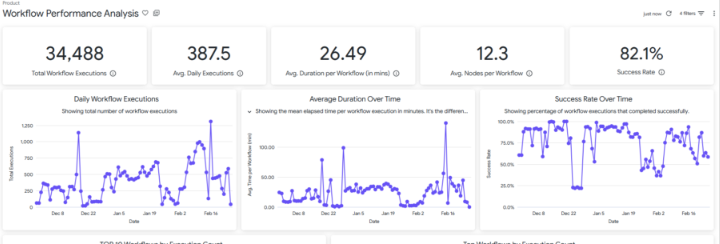
It brings data to light – the last part of the chain, but certainly not the least. It has clear guidelines around data visualization: how to choose the right chart type, how to keep dashboards readable, and how to maintain consistency across every report.
The Documenter Agent
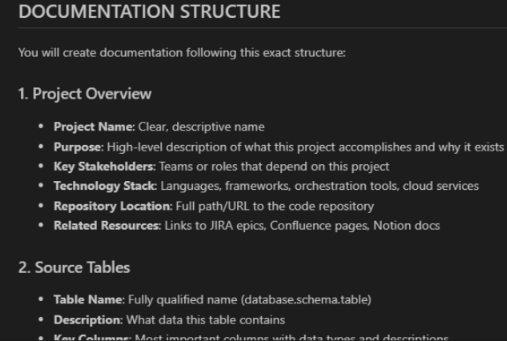
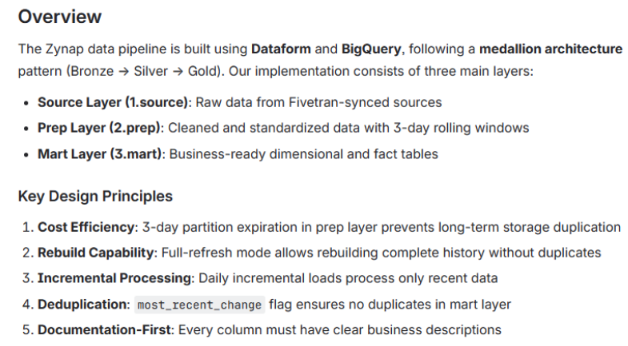
The unsung hero of the team. This agent is responsible for documenting everything the other agents produce – decisions, transformations, metric definitions, architectural choices. This creates a virtuous cycle: better documentation means richer context for the agents, which means better output, which generates better documentation.
If you’ve ever managed a Junior, you know the pattern.
The more you invest in writing things down for them, the faster they improve. The Documenter agent automates that investment.
What It Gave Us
We recently built an entire solution for our sales team from scratch using only our agents:
Data integration, ELT-based normalization, the architecture of a semantic layer defining the team’s North Star metrics, and the delivery of two dashboards to monitor and better understand the journey from lead to customer and how the pipeline is evolving – all adhering to our internal framework, embedding data quality checks, and deploying observability tools – in a matter of hours instead of weeks.
Crucially, this approach has allowed us to standardize our framework across every project, ensuring tighter code control and drastically flattening the learning curve for new hires. The institutional “how-to” is no longer scattered; it is now baked directly into the definition of each agent.
The Human Part
To be clear, no. We’re not being replaced.
AI adoption makes us better when we work as a team. The agents are fast and consistent at technical execution. We bring the context – understanding the business, knowing when something feels off, even if it looks right on paper.
This isn’t about saving time, although we do. It’s about changing what we spend our time on. Less repetition. More of the work that actually needs a human in the room.